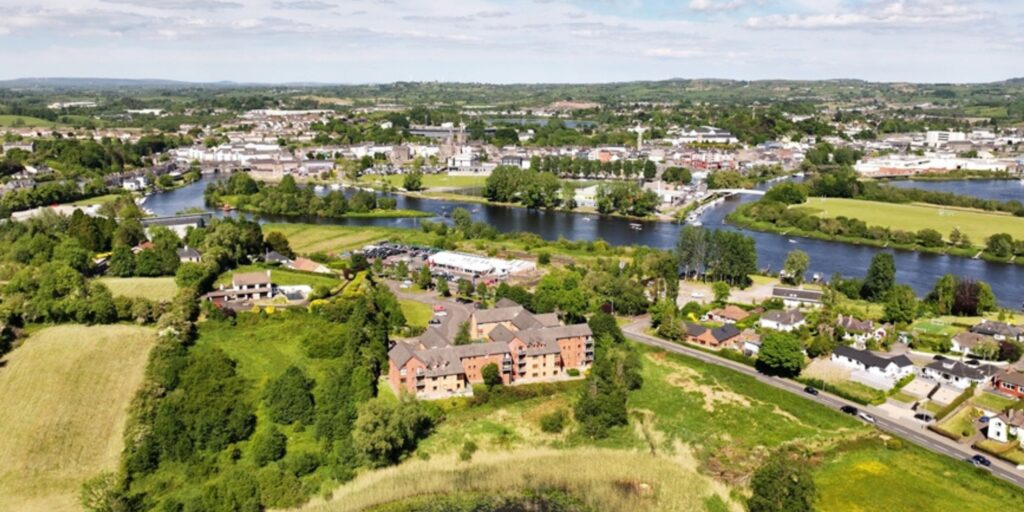
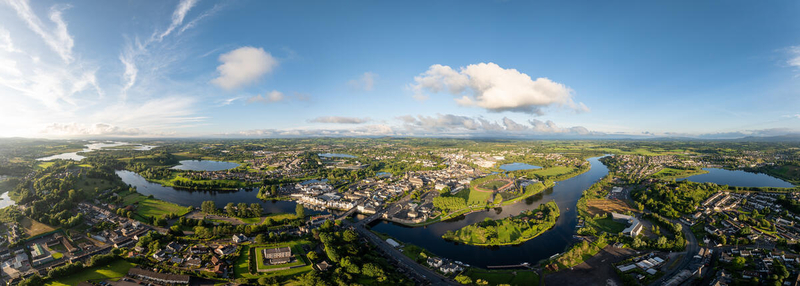
Planning a getaway from the bustling streets of Dublin to the serene Fermanagh Lakelands? Enniskillen, a charming island town nestled in the heart of County Fermanagh, Northern Ireland, offers a delightful escape with its rich history, stunning natural beauty and warm hospitality. Whether you’re seeking a tranquil retreat beside shimmering loughs or an adventure exploring ancient castles, caves and countryside, Enniskillen is a perfect destination.
This comprehensive guide is designed to give you all the essential information for planning your journey from Dublin to Enniskillen. We’ll cover everything from the most efficient routes and travel tips to the must-see attractions once you arrive. Travel planning can sometimes feel daunting, but with the right advice, your trip can be smooth, straightforward and enjoyable.
Whether you choose the flexibility of driving, the convenience of taking the bus, or another travel option, this guide will help you make the most of your journey to this picturesque corner of Northern Ireland. Prepare to discover the ease of travelling from Dublin to Enniskillen and the many experiences waiting for you in the heart of the Fermanagh Lakelands.
Planning Your Journey from Dublin to Enniskillen
Before you set off on your adventure, a little preparation goes a long way in ensuring a seamless and enjoyable experience. Enniskillen, uniquely situated on an island between Upper and Lower Lough Erne, is a destination that truly rewards careful planning.
Why Enniskillen? The Allure of the Fermanagh Lakelands
Enniskillen is more than just a town; it’s a gateway to the Fermanagh Lakelands, a region renowned for its breathtaking natural landscapes. Imagine expansive lakes dotted with ancient islands, verdant forests, and rolling hills. The town itself boasts a vibrant history, evident in its impressive castle, historic buildings, and charming streets. It’s a haven for outdoor enthusiasts, history buffs, and those simply looking to unwind in a peaceful setting. From leisurely boat trips on Lough Erne to exploring subterranean wonders, Enniskillen offers a diverse range of activities that cater to all interests. For a deeper dive into what makes this area so special, you might find the Getting To County Fermanagh guide particularly useful.
Best Time to Visit Enniskillen
The Fermanagh Lakelands are beautiful year-round, but each season offers a distinct experience:
- Spring (March-May): The countryside awakens with vibrant colours, and the weather is generally mild. It’s an excellent time for walking and exploring historical sites before the peak tourist season.
- Summer (June-August): This is the most popular time to visit, with longer daylight hours and warmer temperatures, ideal for water sports on Lough Erne and outdoor festivals. However, attractions can be busier, and accommodation prices might be higher.
- Autumn (September-November): The landscape transforms into a stunning palette of reds, oranges, and golds. It’s a quieter time for exploring, perfect for scenic drives and cosy evenings.
- Winter (December-February): While colder, winter offers a tranquil beauty. Many attractions remain open, and the festive season brings a special charm to the town. It’s a great time for a peaceful retreat.
Consider what activities you prioritise when choosing your travel dates. If you’re keen on water-based activities, summer is your best bet. For a more serene experience, spring or autumn might be more appealing.
Border Crossing Considerations: Republic of Ireland to Northern Ireland
Travelling from Dublin (Republic of Ireland) to Enniskillen (Northern Ireland) involves crossing an international border, but it’s important to understand that this is a seamless process. Both the Republic of Ireland and Northern Ireland are part of the Common Travel Area (CTA), meaning there are no routine passport checks or border controls when travelling between the two. For most visitors from the UK and Ireland, a passport isn’t strictly necessary, though it’s always advisable to carry some form of photo identification.
However, for international visitors, while there are no physical border checks, you should ensure you comply with the immigration requirements for both the Republic of Ireland and the United Kingdom (as Northern Ireland is part of the UK). Generally, if you have permission to enter one, you have permission to enter the other, but it’s always wise to check specific visa requirements based on your nationality.
Key practical considerations include:
- Currency: The Republic of Ireland uses the Euro (€), while Northern Ireland uses the Pound Sterling (£). Be prepared with both currencies or rely on card payments, which are widely accepted. Many places in Enniskillen may accept Euros, but usually at a less favourable exchange rate.
- Mobile Roaming: Depending on your mobile phone plan, you might incur roaming charges when crossing the border. Check with your provider before you travel. Many modern plans include roaming within the UK and EU, but it’s worth confirming.
- Road Signs: While both use metric for speed limits (km/h in ROI, mph in NI), road signs in Northern Ireland are generally in miles, whereas in the Republic of Ireland they are in kilometres. Be mindful of this when driving.
Essential Pre-Travel Checks
Regardless of your chosen mode of transport, a few checks will ensure peace of mind:
- Vehicle Check (if driving): Ensure your car is in good working order. Check tyres, oil, water, and lights. Make sure your insurance covers cross-border travel into Northern Ireland. Some policies might require an extension.
- Documents: Carry your driving licence, vehicle registration document, and insurance details. While not always requested, having them readily available is prudent.
- Accommodation: Book your accommodation in advance, especially during peak season. Enniskillen offers a range of options, from hotels to guesthouses. For a highly recommended stay, consider exploring the Westville Hotel Enniskillen Guide.
- Weather: Irish weather can be unpredictable. Pack layers, waterproofs, and comfortable walking shoes, regardless of the season.
Driving from Dublin to Enniskillen
For many, driving offers the most flexibility and convenience when travelling from Dublin to Enniskillen. The journey is straightforward, covering approximately 160-170 kilometres (around 100-105 miles), and typically takes between 2 to 2.5 hours, depending on traffic and your chosen route. This option allows you to explore the scenic Fermanagh Lakelands at your own pace, stopping off at points of interest along the way.
The Primary Route: M3/N3/A3
The most direct and commonly used route for driving directions Dublin Enniskillen involves a combination of motorways and national roads. Here’s a detailed breakdown:
- Start in Dublin: From Dublin city centre, head north-west towards the M3 motorway. The M3 is a tolled road, so ensure you have a tag or are prepared to pay at the toll plaza (e.g., at Clonee).
- M3 Motorway: Follow the M3 northbound. This modern motorway will take you through County Meath, bypassing towns like Dunboyne and Navan. The M3 is generally a smooth and efficient road, allowing for good progress.
- Transition to N3: The M3 eventually merges into the N3 national primary road as you approach Kells. Continue on the N3, heading towards Cavan.
- Through County Cavan: The N3 will take you directly through or around the town of Cavan. This section of the N3 is a well-maintained dual carriageway for much of the way, making for relatively quick travel.
- Approaching the Border: Continue on the N3 past Cavan town, heading towards Belturbet. As you near the border with Northern Ireland, the road will transition from the N3 (Republic of Ireland) to the A3 (Northern Ireland). This transition is seamless, with no physical border checks, but you will notice changes in road signage (e.g., speed limits changing from km/h to mph, and distances from kilometres to miles).
- On the A3 to Enniskillen: Once you’ve crossed into County Fermanagh, you’ll be on the A3. Follow the A3 directly into Enniskillen. This road will take you through towns such as Newtownbutler and Maguiresbridge before reaching your destination.
Estimated Journey Time: Approximately 2 hours to 2 hours 30 minutes, depending on traffic conditions, especially around Dublin and Cavan. The distance is roughly 160-170 km (100-105 miles).
Alternative Routes
While the M3/N3/A3 is the most efficient, a slightly longer but potentially more scenic alternative involves the N2/A5 route:
- N2/A5 Route: From Dublin, take the N2 northbound towards Monaghan and Omagh. This route is generally less direct for Enniskillen but offers a different perspective of the Irish countryside. You would then connect to the A5 in Northern Ireland, heading towards Omagh, and then take local roads (e.g., A32) to Enniskillen. This route is typically longer, adding 30-60 minutes to your journey, but might appeal to those who prefer avoiding motorways or wish to see different towns.
Tips for the Drive
- Road Conditions and Speed Limits: Roads in both the Republic of Ireland and Northern Ireland are generally well-maintained. Remember that speed limits are in kilometres per hour (km/h) in the Republic of Ireland and miles per hour (mph) in Northern Ireland. Pay close attention to signage as you cross the border.
- Fuel Stops: Ensure you have sufficient fuel before crossing the border. Fuel prices can vary between the Republic of Ireland and Northern Ireland, so it’s worth checking current rates if you’re looking to save a few pence. There are ample petrol stations along the N3 and A3.
- Rest Areas: Plan for a short break if you’re feeling tired. There are service stations and towns along the route where you can stop for refreshments.
- Navigation Apps: Utilise GPS navigation apps like Google Maps or Waze. They provide real-time traffic updates and can help you stay on the most efficient route. Download offline maps if you’re concerned about mobile data coverage in certain areas.
- Driving on the Left: Both the Republic of Ireland and Northern Ireland drive on the left-hand side of the road. This will be consistent throughout your journey.
- Car Hire Considerations: If you’re hiring a car in Dublin, inform the rental company of your intention to drive into Northern Ireland. Most major rental companies allow cross-border travel, but they may require an additional insurance premium or a ‘Green Card’ for Northern Ireland. Confirm this when booking to avoid any issues.
- Tolls: Be aware of tolls on the M3 motorway. You can pay with cash, card, or an electronic tag.
Driving offers the ultimate freedom to explore the beautiful landscapes surrounding Enniskillen, making it a popular choice for visitors. With these driving directions Dublin Enniskillen, you’ll be well-prepared for a smooth journey.
Public Transport: Bus from Dublin to Enniskillen
For those who prefer to sit back, relax, and let someone else do the driving, taking the bus from Dublin to Enniskillen is a convenient and cost-effective option. Public transport services are well-established, offering a reliable connection between the two locations.
Bus Services and Operators
The primary operators providing services that connect Dublin and Enniskillen are Bus Éireann (the national bus company of the Republic of Ireland) and Translink Goldline (Northern Ireland’s public transport provider). Often, these services operate in conjunction, providing a seamless cross-border journey.
- Bus Éireann: Operates services from Dublin (Busáras, the central bus station) that connect to Enniskillen. These services are typically part of their intercity network.
- Translink Goldline: Offers services within Northern Ireland, and their Goldline Express routes often connect with Bus Éireann services or provide direct routes from border towns to Enniskillen.
It’s common for a single journey to involve a direct bus or a connection, often at a hub like Cavan or Monaghan, though direct services are usually available, especially during peak times.
Routes and Frequency
Services generally depart from Busáras in Dublin city centre. The most common route for the bus from Dublin to Enniskillen mirrors the main driving route, heading north-west through County Meath and County Cavan before crossing into County Fermanagh. The bus will typically make stops in various towns along the way, such as Kells, Cavan, and Belturbet, before reaching Enniskillen.
Frequency varies depending on the day of the week and time of year. On weekdays, you can expect several services throughout the day, often with reduced frequency on weekends and public holidays. It’s always advisable to check the most up-to-date timetables on the Bus Éireann and Translink websites closer to your travel date for the most accurate information.
Journey Details
- Estimated Travel Time: A direct bus journey from Dublin to Enniskillen typically takes around 3 to 3.5 hours. This can be slightly longer than driving due to scheduled stops and adherence to speed limits. If a connection is required, the total travel time might extend to 4 hours or more, including waiting times.
- Departure Point in Dublin: All major intercity bus services depart from Busáras, Store Street, Dublin 1. This central location is easily accessible by Dublin Bus, Luas (tram), and DART (train).
- Arrival Point in Enniskillen: Buses arrive at the Enniskillen Bus Centre, located on Wellington Road, which is conveniently situated within walking distance of the town centre and many local amenities.
- Comfort on Board: Modern intercity buses are generally comfortable, offering reclining seats, air conditioning, and often Wi-Fi and charging points. There are usually designated luggage compartments beneath the bus for larger bags, and overhead racks for smaller items.
- Ticket Booking: Tickets can be purchased online in advance through the Bus Éireann or Translink websites. Booking online is often cheaper than buying at the station on the day of travel and guarantees your seat, which is particularly important during busy periods. You can also purchase tickets at Busáras or directly from the bus driver, though this is subject to availability.
- Cost Variations: Fares can vary based on whether you book in advance, the time of day, and if you’re eligible for any concessions (e.g., student, senior). Return tickets are usually more economical than two single fares.
- Luggage Allowances: Standard luggage allowances typically permit one or two large suitcases in the hold and a small piece of hand luggage on board. Check the specific operator’s policy for exact dimensions and weight limits.
Tips for Bus Travel
- Book in Advance: Especially if you’re travelling during peak season or on a weekend, booking your bus from Dublin to Enniskillen ticket online beforehand is highly recommended to secure your seat and potentially save money.
- Arrive Early: Aim to arrive at Busáras at least 15-20 minutes before your scheduled departure time to allow for boarding and luggage storage.
- Border Crossing: As with driving, there are no formal border checks on the bus. However, it’s still advisable to carry photo identification. The bus will simply continue its journey across the invisible border.
- Comfort Items: For a 3-hour journey, consider bringing a book, headphones, snacks, and a bottle of water to make your trip more enjoyable.
- Connecting Services: If your journey involves a connection, ensure you have enough time between buses, especially if you’re unfamiliar with the connecting station.
Taking the bus from Dublin to Enniskillen is a stress-free way to travel, allowing you to enjoy the scenery without the responsibilities of driving. It’s an excellent choice for solo travellers, groups, or anyone looking for an economical and convenient option.
Other Travel Options
While driving and taking the bus are the most common and direct methods for travelling from Dublin to Enniskillen, there are a couple of alternative options that might suit specific needs or preferences. These can offer different levels of convenience, cost, and travel experience.
Train + Bus Combination
For those who enjoy train travel or prefer a multi-modal journey, combining a train trip with a bus connection is a viable, albeit less direct, option. There is no direct train service to Enniskillen itself, as the town’s railway station closed many years ago. However, you can take a train for a significant portion of the journey.
- Dublin to Portadown/Lisburn by Train: You can take an Enterprise train service from Dublin Connolly Station to Portadown or Lisburn in Northern Ireland. The Enterprise service is a comfortable intercity train operated jointly by Iarnród Éireann (Irish Rail) and Translink NI Railways. The journey to Portadown typically takes around 1 hour 45 minutes, and to Lisburn, it’s approximately 2 hours.
- Bus Connection to Enniskillen: From Portadown or Lisburn, you would then need to connect to a Translink Goldline bus service to Enniskillen. This usually involves a further journey of about 1.5 to 2 hours, depending on the connection and specific route. You would need to check Translink’s timetables carefully to ensure a smooth transfer.
Considerations: This option generally takes longer than a direct bus or car journey, often totalling 4-5 hours or more, including transfer times. It also tends to be more expensive than a direct bus ticket. However, it can be a more relaxing way to travel for those who prefer trains and don’t mind the extra changes. It’s also an option if you have specific rail passes or prefer to break up the journey.
Private Transfers and Taxis
For maximum convenience, especially for groups or those with significant luggage, a private transfer or taxi service is an option. This provides a door-to-door service, eliminating the need to navigate public transport schedules or drive yourself.
- Cost: Private transfers are significantly more expensive than bus travel and typically more costly than car hire, especially for solo travellers. However, for a group of 3-4 people, the per-person cost can become more reasonable.
- Convenience: You set the departure time, and the driver will pick you up directly from your chosen location in Dublin and drop you off at your destination in Enniskillen. This is particularly useful if you’re travelling with young children, elderly companions, or have mobility issues.
- Booking: Numerous private hire companies operate cross-border services. It’s advisable to book well in advance and compare quotes from several providers to get the best price. Ensure the company is reputable and that their vehicles are properly licensed and insured for cross-border travel.
Car Sharing and Ride-Sharing Platforms
While less formal and reliable than other options, car-sharing platforms (like BlaBlaCar, if available and active on this route) or informal ride-sharing arrangements could be considered. These options are typically budget-friendly but come with their own set of considerations:
- Availability: Finding a suitable ride on your desired date and time can be challenging, as it depends on other individuals travelling the same route.
- Safety: Always exercise caution when using informal ride-sharing services. Verify the driver’s identity and vehicle details, and inform someone of your travel plans.
- Flexibility: While you might agree on a pickup and drop-off point, the schedule is dictated by the driver’s plans, offering less flexibility than driving your own car or a private transfer.
For most travellers, the direct bus service or driving themselves will be the preferred methods due to their balance of cost, convenience, and reliability. However, these alternative options exist for those with specific needs or preferences.
Things to Do in Enniskillen from Dublin
Once you’ve successfully made the journey from Dublin to Enniskillen, a wealth of attractions and activities awaits. Enniskillen and the surrounding Fermanagh Lakelands offer a diverse range of experiences, from historical exploration to outdoor adventures and cultural immersion. Here are some of the top things to do in Enniskillen from Dublin, ensuring your visit is packed with memorable moments.
Enniskillen Town Centre: History and Culture
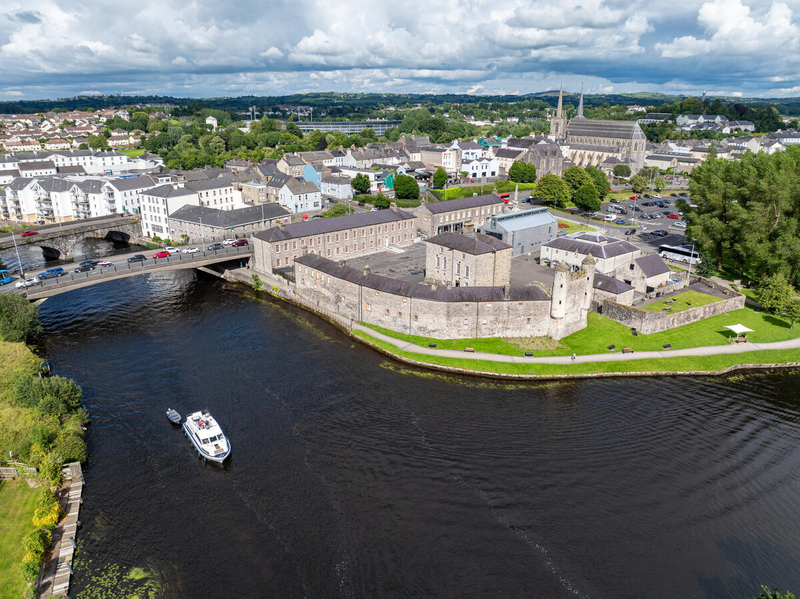
- Enniskillen Castle: Dominating the town’s skyline, Enniskillen Castle is a must-visit. This beautifully preserved 16th-century castle houses two museums: the Fermanagh County Museum and The Inniskillings Museum. Explore its towers, battlements, and exhibitions to delve into the history of the town and the county. It offers a fascinating insight into local heritage, from prehistoric times to military history.
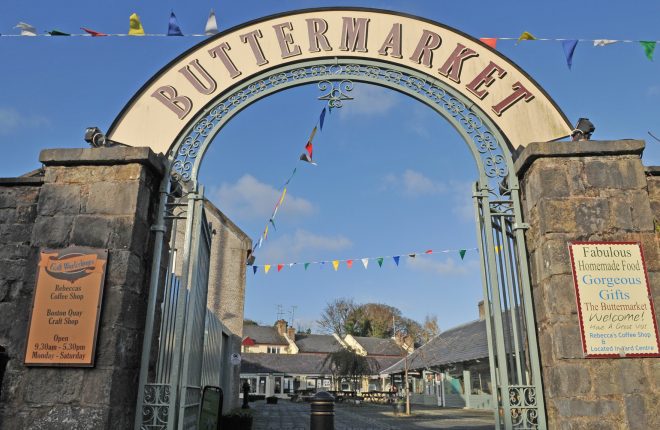
- The Buttermarket: A vibrant arts and crafts centre, The Buttermarket is housed in a beautifully restored 19th-century dairy market. Here, you’ll find a collection of artisan shops, galleries, and studios showcasing local talent. It’s a perfect spot to pick up unique souvenirs, admire local artwork, or simply enjoy the charming atmosphere.
- Shopping and Dining: Enniskillen’s main street offers a mix of independent boutiques and well-known high street stores. The town also boasts a fantastic array of cafes, pubs, and restaurants, serving everything from traditional Irish fare to international cuisine. Take time to wander, soak up the atmosphere, and enjoy a meal or a pint in a traditional pub.
The Fermanagh Lakelands: Natural Beauty and Water Activities
The true gem of Enniskillen is its setting within the Fermanagh Lakelands, a paradise for nature lovers and water enthusiasts.
- Lough Erne Cruises: A boat trip on Lough Erne is an absolute essential. Several operators offer cruises, ranging from short scenic tours to longer excursions that visit some of the lough’s many islands. It’s a wonderful way to appreciate the scale and beauty of the waterways.
- Water Sports: For the more adventurous, Lough Erne is ideal for kayaking, canoeing, paddleboarding, and even wakeboarding. There are several centres around the lough that offer equipment hire and lessons.
- Fishing: Fermanagh is renowned for its excellent coarse and game fishing. Anglers can enjoy fishing for pike, perch, bream, and trout in the loughs and rivers. Permits are required, so ensure you arrange these in advance.
Historic Sites and Geological Wonders
Beyond the town, County Fermanagh is rich in historical and natural attractions:
- Devenish Island: Accessible by ferry from Trory Point (just outside Enniskillen), Devenish Island is home to one of Ireland’s finest monastic sites. Explore the ruins of a 6th-century monastery, including a perfectly preserved round tower, churches, and high crosses. The peaceful setting and historical significance make it a truly special visit.
- Florence Court: A magnificent 18th-century Irish Georgian house and demesne, managed by the National Trust. Explore the grand interiors, stroll through the beautiful walled garden, and discover the famous Florence Court Yew tree. The estate also offers various walking trails through woodlands and parkland.
- Marble Arch Caves Global Geopark: A UNESCO Global Geopark, this site offers an incredible underground experience. Take a guided tour through a labyrinth of natural caves, complete with stalactites, stalagmites, and underground rivers. It’s a truly awe-inspiring natural wonder. The Geopark also encompasses stunning above-ground landscapes, including forests, mountains, and lakes, perfect for hiking and cycling.
- Castle Coole: Another National Trust property, Castle Coole is a stunning neoclassical mansion set in a vast, picturesque parkland. Marvel at the opulent interiors, learn about the Earls of Belmore, and enjoy a leisurely walk around the estate, which is home to deer and other wildlife.
Outdoor Activities and Scenic Drives
- Walking and Cycling: The Fermanagh Lakelands offer numerous trails for all abilities, from gentle lakeside strolls to more challenging hikes in the hills. The Cuilcagh Boardwalk Trail, often called the ‘Stairway to Heaven’, is a popular, albeit demanding, walk offering panoramic views. Cycling routes are also plentiful, with quiet country roads and dedicated trails.
- Golf: Golf enthusiasts will find several excellent courses in the area, including the championship Lough Erne Resort course, offering stunning views over the lough.
Day Trips from Enniskillen
Enniskillen’s central location makes it an ideal base for exploring further afield:
- Belleek Pottery: Just a short drive west, Belleek Pottery is famous for its exquisite Parian china. Take a factory tour to see the craftsmanship firsthand and browse their beautiful showroom.
- Donegal Town: Cross back into the Republic of Ireland for a day trip to Donegal Town, known for its castle, picturesque harbour, and vibrant traditional music scene.
To help you plan your stay and discover more about the local area, the Westville Enniskillen Ultimate Guide provides a wealth of information on attractions and activities. With so many things to do in Enniskillen from Dublin, you’re guaranteed a fulfilling and memorable visit.
Accommodation and Dining in Enniskillen
After a day of travel and exploration, finding comfortable accommodation and enjoying delicious food are essential parts of any trip. Enniskillen offers a variety of options to suit different tastes and budgets, ensuring a pleasant stay for every visitor.
Accommodation Options
Enniskillen boasts a range of accommodation, from luxurious hotels to charming guesthouses and self-catering properties. Booking in advance, especially during peak season (summer months and bank holidays), is highly recommended to secure your preferred choice.
- Hotels: For those seeking comfort and amenities, Enniskillen has several excellent hotels. These often come with facilities such as restaurants, bars, and sometimes leisure centres. A prime example is the Westville Hotel, known for its welcoming atmosphere and convenient location. For detailed information on what to expect and to plan your stay, refer to the Westville Hotel Enniskillen Guide. Other options include the Lough Erne Resort, offering a more luxurious experience with golf courses and spa facilities, and various town centre hotels providing easy access to local attractions.
- Bed & Breakfasts (B&Bs) and Guesthouses: For a more personal touch and often a taste of local hospitality, B&Bs and guesthouses are a popular choice. Many are family-run, offering comfortable rooms and a hearty breakfast, often featuring locally sourced produce. They provide an excellent opportunity to interact with locals and gain insider tips on the area.
- Self-Catering: If you prefer the flexibility of preparing your own meals or are travelling with family or a group, self-catering cottages, apartments, and lodges are available. These range from modern town centre apartments to secluded lakeside properties, offering a home-away-from-home experience.
- Camping and Caravanning: For outdoor enthusiasts, there are also several campsites and caravan parks in the wider Fermanagh area, providing facilities for tents, caravans, and motorhomes. These offer a chance to truly immerse yourself in the natural surroundings.
Dining in Enniskillen
Enniskillen’s culinary scene is vibrant and diverse, reflecting both traditional Irish flavours and contemporary tastes. You’ll find options to satisfy every craving, from casual pub grub to fine dining experiences.
- Traditional Pubs: No visit to Enniskillen is complete without experiencing a traditional Irish pub. Many pubs in the town centre serve excellent pub lunches and dinners, often featuring classics like Irish stew, fish and chips, and hearty roasts. They also offer a fantastic atmosphere, often with live traditional music in the evenings. It’s a great place to mingle with locals and enjoy a pint of Guinness.
- Restaurants: The town boasts a selection of restaurants catering to various palates. You’ll find establishments offering modern European cuisine, Italian, Asian, and more. Many restaurants pride themselves on using fresh, local Fermanagh produce, including delicious Lough Erne fish and locally reared meats. Look out for menus that highlight seasonal ingredients.
- Cafes and Bakeries: For a lighter bite, a coffee, or a sweet treat, Enniskillen has numerous charming cafes and bakeries. These are perfect for a leisurely breakfast, a mid-morning coffee break, or an afternoon tea. Many offer freshly baked goods, sandwiches, and light lunches.
- Fine Dining: For a special occasion, some establishments in and around Enniskillen offer a more refined dining experience, with expertly crafted menus and an extensive wine list. These are perfect for celebrating or simply indulging in a memorable meal.
When dining out, it’s always a good idea to make reservations, especially for popular restaurants or during busy periods, to avoid disappointment. Don’t hesitate to ask locals for their recommendations; they often know the best hidden gems!
Frequently Asked Questions (FAQs)
To help you further plan your journey from Dublin to Enniskillen, here are answers to some commonly asked questions:
How long does it take to get from Dublin to Enniskillen?
By car, the journey typically takes between 2 to 2.5 hours, covering approximately 160-170 kilometres (100-105 miles). By direct bus, the travel time is usually around 3 to 3.5 hours, allowing for scheduled stops.
Do I need a passport to travel from Dublin to Enniskillen?
For Irish and UK citizens, a passport is not strictly required due to the Common Travel Area (CTA). However, it is always advisable to carry some form of photo identification, such as a driving licence. For international visitors, while there are no routine border checks, you should ensure you comply with the immigration requirements for both the Republic of Ireland and the United Kingdom.
What currency is used in Enniskillen?
Enniskillen is in Northern Ireland, which is part of the United Kingdom, so the currency used is Pound Sterling (£). While some businesses may accept Euros (€), it’s always best to have Pounds Sterling or use a credit/debit card for transactions.
Is Enniskillen worth visiting?
Absolutely! Enniskillen offers a unique blend of history, culture, and stunning natural beauty. Its location in the heart of the Fermanagh Lakelands provides endless opportunities for outdoor activities, historical exploration, and relaxation. From ancient castles and monastic sites to beautiful loughs and charming town life, there’s something for everyone.
Can I use euros in Enniskillen?
While some larger shops, hotels, or tourist attractions might accept Euros, it is not guaranteed, and the exchange rate offered may not be favourable. It is highly recommended to use Pound Sterling or a credit/debit card for all purchases in Enniskillen.
Are there tolls on the route from Dublin to Enniskillen?
Yes, if you take the most direct driving route (M3/N3/A3), there is a toll on the M3 motorway in the Republic of Ireland. Be prepared to pay this by cash, card, or electronic tag.
Is it easy to find parking in Enniskillen?
Enniskillen has several public car parks, both surface and multi-storey, within easy walking distance of the town centre. Parking is generally well-signposted, but it can get busy during peak times. Most car parks are paid, so ensure you have coins or a payment card ready.
Further Reading
To deepen your understanding and enhance your planning for a trip to Enniskillen and the wider Fermanagh Lakelands, consider exploring these resources:
- Discover Northern Ireland: The official tourism website for Northern Ireland provides extensive information on attractions, events, and accommodation across the region, including County Fermanagh.
- Fermanagh and Omagh District Council: Their website often has local event listings, information on parks, and community resources that can be helpful for visitors.
- National Trust Northern Ireland: For details on properties like Florence Court and Castle Coole, their website offers opening times, event schedules, and membership information.
- Marble Arch Caves Global Geopark: Visit their official site for booking tours, understanding the geological significance of the area, and exploring other trails within the Geopark.
- Local News and Blogs: Keep an eye on local Fermanagh news outlets and travel blogs for up-to-date information on events, new openings, and local recommendations.
These resources will provide additional context and practical details, ensuring you make the most of your visit to this beautiful part of the world.
Conclusion
Embarking on a journey from Dublin to Enniskillen in 2026 promises an enriching and memorable experience. As this guide has detailed, whether you opt for the freedom of driving, navigating the scenic routes at your own pace, or choose the relaxed convenience of the bus from Dublin to Enniskillen, the journey itself is straightforward and rewarding. We’ve covered the essential driving directions Dublin Enniskillen, highlighted the practicalities of public transport, and offered insights into other travel considerations, ensuring you’re well-prepared for your adventure.
Upon arrival, Enniskillen unfolds as a captivating destination, brimming with historical sites, vibrant culture, and unparalleled natural beauty. From exploring the ancient walls of Enniskillen Castle and the artisan crafts at The Buttermarket to cruising the tranquil waters of Lough Erne and delving into the subterranean wonders of the Marble Arch Caves, the things to do in Enniskillen from Dublin are plentiful and varied. The Fermanagh Lakelands truly offer a unique blend of adventure and serenity, making it an ideal escape from city life.
With careful planning, armed with the tips and information provided in this guide, your trip to Enniskillen will be seamless and filled with discovery. We encourage you to immerse yourself in the local charm, savour the delicious cuisine, and create lasting memories in this picturesque island town. Enniskillen awaits, ready to enchant you with its unique character and stunning surroundings. Start planning your unforgettable journey today!